


The Truck Doesn’t Lie: How Black Box Data Can Impact A South Carolina Truck Accident Case
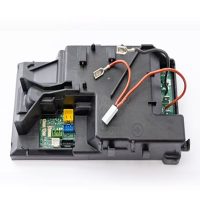
Two versions of a crash almost always exist. The trucking company’s version, and the version supported by actual data. Fortunately, that second version is usually sitting inside the truck itself, quietly recording exactly what happened in the moments before impact. Whether it helps your case often comes down to whether anyone gets to it before it disappears.
What’s Actually Recording Inside the Truck
Modern commercial trucks carry an electronic control module, often called the truck’s black box, that functions similarly to an event data recorder. It can capture vehicle speed, throttle position, brake application, engine RPM, seatbelt use, and airbag deployment timing in the moments surrounding a crash. Separately, trucking companies maintain Electronic Logging Device data tracking a driver’s actual hours behind the wheel, governed under federal hours of service rules. Together, these two sources can paint a remarkably detailed picture of what a driver was doing, and for how long, before a collision occurred.
Data Answers What Witnesses Can’t
Human memory is unreliable, especially in the chaotic seconds surrounding a serious crash, but black box and ELD data don’t share that problem. This information can establish specifics no witness statement ever could:
- The truck’s exact speed at the moment of impact, compared against the posted limit
- Whether the brakes were applied, and how long before the collision
- How many consecutive hours the driver had been operating before the crash, measured against federal limits
- Whether the engine or braking systems showed signs of mechanical irregularity leading up to impact
Because none of this relies on memory or perception, it tends to carry significant weight in resolving disputes over how a crash actually happened.
The Clock Starts the Moment the Crash Happens
Here’s what should genuinely concern anyone injured in a truck accident. Federal regulations only require trucking companies to retain ELD records for a minimum of six months, and black box data can be overwritten through routine business practices if nobody formally demands it be preserved. Some data gets erased through subsequent ignition cycles once the truck goes back into service. Without prompt action, potentially case defining evidence can vanish through nothing more than the passage of time and a truck being sent back out on the road.
Why a Preservation Request Matters So Much
This is exactly why attorneys in truck accident cases move quickly to send a spoliation letter, a formal written demand instructing the trucking company, driver, and any other involved party to preserve all evidence related to the crash. Once delivered, the recipients carry a legal obligation to retain the data. If they destroy it anyway, courts can impose serious consequences, including allowing a jury to assume the missing evidence would have been unfavorable to the trucking company.
If you were hurt in a South Carolina truck accident, evidence that could make or break your case is already at risk of disappearing. Our Columbia truck accident attorneys at The Stanley Law Group move quickly to preserve black box and ELD data before it’s gone. Contact The Stanley Law Group today for a free consultation.
Source:
ecfr.gov/current/title-49/subtitle-B/chapter-V/part-563