


The Bumper Never Lies: Common Causes Of Rear End Collisions In South Carolina And Who Is Liable
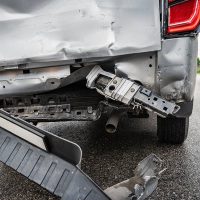
There is a reason rear end collisions have earned a reputation as the most predictable accident on the road. Someone stops, someone behind them does not stop quickly enough, and suddenly there is a crumpled bumper and a familiar argument about who saw what coming. But is the driver in back automatically the one holding the bag, or does South Carolina law leave a little more room for nuance?
The Law Behind the Presumption
South Carolina Code Section 56-5-1930 requires drivers to avoid following another vehicle more closely than is reasonable and prudent, taking into account speed, traffic, and road conditions. In practical terms, this statute is why the trailing driver is so often presumed responsible after a rear end crash. If you cannot stop in time for the car ahead of you, the underlying assumption is that you were following too closely to begin with, whatever the exact circumstances happened to be.
What Actually Causes These Crashes
Rear end collisions rank among the most common types of crashes on South Carolina roads, and the reasons behind them tend to repeat themselves. A few of the most frequent causes include:
- Distracted driving, particularly texting or scrolling a phone while traffic ahead slows down
- Following too closely in heavy or stop and go traffic, leaving no margin for sudden braking
- Speeding, which reduces the time available to react to a slowing or stopped vehicle ahead
- Sudden, unnecessary hard braking by the front driver, sometimes called brake checking
- Poor weather or road conditions that increase stopping distances beyond what a driver accounted for
Notice that not every item on that list points to the rear driver. That is intentional, because South Carolina liability for these crashes is not quite as automatic as the popular assumption suggests.
When the Front Driver Shares the Blame
The presumption against the trailing driver is strong, but it is not absolute. South Carolina courts and insurance adjusters recognize several scenarios where the driver in front bears some, or even most, of the responsibility. A driver who slams on the brakes without any legitimate reason, perhaps out of road rage or frustration with the vehicle behind them, may be found to have contributed to the crash. The same goes for a driver who cuts abruptly into another lane, leaving the trailing driver little time or space to react. A vehicle with malfunctioning brake lights, making it harder for the driver behind to anticipate a stop, can also shift some responsibility forward.
How Fault Actually Gets Divided
South Carolina follows a modified comparative negligence rule under South Carolina Code Section 15-38-15. This means an injured party can still recover compensation as long as they are found to be less than 51 percent at fault for the crash, though that recovery gets reduced by whatever percentage of fault is assigned to them. In a rear end collision where both drivers contributed to the outcome, whether through following too closely and unsafe braking, the final compensation often reflects a split of responsibility rather than an all or nothing outcome.
Reach Out to Us About Your Case
Rear end collisions might seem straightforward from the outside, but the presumption against the trailing driver is just a starting point, not the final word on fault. Our Columbia car accident attorneys at The Stanley Law Group know how to investigate these crashes thoroughly and push back when fault is unfairly assigned. Reach out for guidance.
Source:
scstatehouse.gov/code/t56c005.php