


Rain, Leaves, And Rush Hour Crowds: Seasonal Slip And Fall Risks In South Carolina
Notice how certain times of year seem to bring a fresh batch of slip and fall stories from friends and coworkers? That’s not a coincidence. South Carolina’s seasons each bring their own particular hazards, and knowing what to watch for, along with what legal rights you actually have if you get hurt, can make a real difference after a fall that wasn’t your fault.
Why South Carolina’s Seasons Each Bring Different Hazards
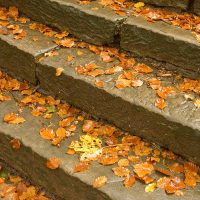
Unlike states dealing with heavy snow and ice most of the winter, South Carolina’s seasonal slip and fall risks tend to follow a different pattern. Spring and summer bring frequent, sometimes sudden downpours that leave floors, sidewalks, and parking lots slick with little warning. Fall brings wet leaves that can turn a normal walkway into a hidden hazard, particularly on stairs or curbs. Winter, while rarely icy statewide, still brings occasional cold snaps and holiday shopping crowds that increase both foot traffic and the odds of a spill going unnoticed for a while.
Common Seasonal Hazards Worth Watching For
Certain conditions show up again and again depending on the time of year. Consider the following:
- Rainwater tracked into store entrances during spring and summer storms
- Wet leaves accumulating on outdoor steps and walkways in the fall
- Condensation near refrigerated cases, which becomes more common as temperatures shift
- Crowded aisles and cluttered walkways during the holiday shopping season
- Poolside surfaces at apartment complexes and hotels during warmer months
Why Property Owners Still Owe You the Same Duty of Care Year Round
Here’s something that surprises a lot of people. A property owner doesn’t get a seasonal pass just because a hazard is common that time of year. Property owners still generally owe visitors a duty to keep the premises reasonably safe, which can include mopping up tracked in rainwater, clearing leaves from high traffic walkways, or placing warning signs when a known hazard exists. Whether that duty was met usually comes down to whether the owner knew, or reasonably should have known, about the specific hazard in time to address it.
Why the Stakes Are Higher Than People Assume
According to the Centers for Disease Control and Prevention, falls remain one of the leading causes of nonfatal injury in the United States, and a seemingly minor slip can result in fractures, head injuries, or long recovery periods regardless of the season. Documenting the specific conditions at the time of your fall, photos, weather details, and any store maintenance patterns you noticed, can matter considerably if you pursue a claim later.
Every Season Has Its Own Hazards. Your Rights Don’t Change.
Seasonal hazards don’t excuse a property owner from keeping their premises reasonably safe, no matter what time of year it happens to be. Our Columbia slip and fall attorneys at The Stanley Law Group can help you understand your rights after a fall caused by a hazard someone else should have addressed. Contact The Stanley Law Group to talk through what happened and what your next steps might look like.
Source:
cdc.gov/falls/data-research/index.html