


Rain, Fog, And Fault: How South Carolina Weather Complicates Your Car Accident Claim
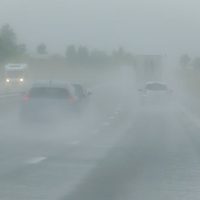
Bad weather doesn’t automatically let a negligent driver off the hook in South Carolina. Even when rain, fog, or ice contributed to a crash, liability still comes down to whether a driver adjusted their behavior appropriately for the conditions they were facing. In other words, the weather might explain why the road was dangerous, but it rarely excuses a driver who failed to slow down, increase following distance, or otherwise drive with reasonable care given what was happening outside their windshield.
Why “The Weather Made Me Do It” Rarely Works as a Defense
South Carolina law expects drivers to adjust their behavior to match road conditions, not just the posted speed limit. A driver traveling at 45 miles per hour in a 45 mile per hour zone during a torrential downpour might still be driving too fast for conditions, even though they weren’t technically speeding. Courts and insurance adjusters look at what a reasonably careful driver would have done given the rain, fog, or ice present at the time, which means weather often becomes part of the negligence analysis rather than an automatic excuse from it.
Common Weather Related Scenarios That Lead to Disputes
Certain weather conditions tend to generate the same recurring arguments over fault. A few examples show up again and again:
- Hydroplaning crashes, where a driver’s excessive speed for wet conditions leads to a loss of control.
- Fog related collisions, often involving a driver who failed to reduce speed despite dramatically reduced visibility.
- Sudden downpour rear end crashes, where a following driver didn’t leave enough space to react to sudden braking.
- Black ice incidents, particularly during South Carolina’s occasional winter cold snaps, where a driver failed to anticipate icy patches on bridges or overpasses.
Each of these scenarios can look different once evidence, weather reports, and driver testimony get examined closely.
Why South Carolina’s Fault Rules Make This Especially Important
Here’s where South Carolina’s comparative negligence system enters the picture. Under S.C. Code Section 15-38-15, an injured driver can still recover compensation even if they share some responsibility for a crash, but only if their share of fault stays below 51 percent. Once that threshold is crossed, recovery is barred entirely. This matters enormously in weather related crashes, since insurers often argue that both drivers should have anticipated the conditions and adjusted accordingly, which can shift blame in ways that meaningfully reduce, or eliminate, a claim.
What Evidence Actually Helps in These Cases
Weather related crashes tend to hinge on documentation that establishes exactly what conditions looked like at the time and place of the collision. That can include official weather service records, dashcam footage showing visibility and road surface conditions, photographs taken shortly after the crash, and witness accounts describing how other drivers were reacting to the same conditions. Reconstructing the scene accurately, rather than relying on vague memories of “it was raining pretty hard,” tends to make a significant difference in how fault ultimately gets assigned.
Don’t Let the Forecast Decide Who’s at Fault
Weather doesn’t erase a driver’s responsibility to operate safely, but proving that in a contested claim takes more than common sense. It takes evidence. If you were injured in a crash involving rain, fog, or icy roads, our Columbia car accident attorneys at The Stanley Law Group can help you build the case needed to hold a negligent driver accountable. Contact The Stanley Law Group today to discuss what happened and how we can help.
Source:
scstatehouse.gov/code/t15c038.php