


Common Slip And Fall Hazards In South Carolina Grocery Stores And Retail Shops
A routine shopping trip can take a dangerous turn in a matter of seconds. Whether you are grabbing groceries at a supermarket in Columbia or browsing the aisles of a big-box retailer, the floors, shelves, and walkways around you may contain hazards that a property owner failed to address. Slip and fall accidents in retail settings are more common than most people think, and the injuries they cause can be serious and long-lasting.
Under South Carolina Code Section 15-73-10, property owners have a legal duty to keep their premises reasonably safe for visitors and to warn of any known dangerous conditions that may not be obvious to guests. Customers shopping at a grocery store or retail shop are considered “invitees” under South Carolina law, which means the property owner owes them the highest duty of care. That duty includes regularly inspecting the property and addressing hazards that the owner knew about, or reasonably should have known about.
Hazards Frequently Found In Grocery Stores And Retail Settings
Not all slip and fall accidents happen the same way. Retail environments present a variety of specific hazards, many of which could be avoided with proper maintenance and staff attention. Some of the most common include:
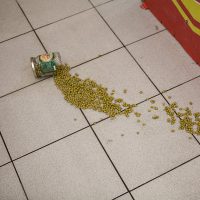
- Spilled liquids and wet floors. Whether from a leaking refrigerator case, a broken bottle, or a mopped floor without a warning sign, wet surfaces are one of the most frequent culprits behind retail slip and falls. A spill that has been sitting for an extended period without being cleaned up or marked is a clear sign that staff failed to properly monitor the store.
- Produce section moisture and debris. Grocery stores often use misters to keep produce fresh, which can cause water to pool on the floor. Fallen fruits, vegetables, or leaves in this area create additional slip risks that employees need to monitor regularly.
- Cluttered or obstructed aisles. Stock that has been partially unloaded, boxes left in walkways, or merchandise that has fallen from shelves can all create tripping hazards. Customers should never have to navigate an obstacle course to shop.
- Uneven or damaged flooring. Cracked tiles, buckled mats, or transitions between different flooring types can catch a shoe and send a customer to the ground. Property owners have a responsibility to repair these conditions in a timely manner.
- Parking lot and entrance hazards. The risks do not end at the front door. Uneven pavement, potholes, missing curb transitions, and ice or water near entrances during poor weather can all lead to falls before a customer even steps inside.
What Makes A Retailer Legally Responsible For Your Injuries
Just because you fell in a store does not automatically mean the store is responsible. South Carolina law requires proof that the property owner knew about the dangerous condition, or should have known about it through reasonable inspection, and failed to fix it or warn customers. The longer a hazard existed before someone was hurt, the stronger the argument that the store had enough time to discover and address it.
Evidence plays a critical role in these cases. Security camera footage, incident reports, witness accounts, and photographs of the hazard can all help establish what happened and how long the dangerous condition existed. If you are injured in a retail store, documenting the scene as thoroughly as possible before leaving, if you are physically able to do so, can be valuable for any claim you later decide to pursue.
It is also worth knowing that South Carolina follows a modified comparative negligence standard. Under this rule, an injured person can still recover compensation as long as they are found to be less than 51 percent at fault for their own injury. However, any award would be reduced by whatever percentage of fault is assigned to them. Stores and their insurers often try to argue that a hazard was open and obvious, or that the injured customer was not paying attention. These are common defenses that can be challenged with the right evidence and legal support.
Contact Us Today if You Have Been Injured
If you were injured in a slip and fall at a South Carolina grocery store or retail shop, it is worth exploring whether the property owner’s negligence played a role. Time matters in these cases, as South Carolina’s statute of limitations for premises liability claims is three years from the date of the injury under S.C. Code Section 15-3-530. We encourage you to act promptly and speak with experienced Columbia slip and fall attorneys before that deadline passes. At The Stanley Law Group, we are committed to helping injured South Carolinians understand their rights and pursue the compensation they deserve. Contact us today for a free consultation.
Source:
scstatehouse.gov/code/t15c073.php